How Membrane Bioreactors Are Reinventing Water Filtration Equipments
The development of membrane bioreactors (MBRs) represents a considerable innovation in the area of water filtration, combining organic therapy procedures with sophisticated membrane layer purification modern technologies. This integration not only enhances the top quality of dealt with effluent yet additionally addresses city room restraints, making MBRs specifically appropriate for densely populated areas. As global water deficiency heightens, the function of MBRs in helping with drinkable water reuse and sustainable water management becomes significantly crucial. Yet, the effects of this modern technology prolong past efficiency-- what opportunities and challenges exist ahead for its widespread execution?
Summary of Membrane Layer Bioreactors
Membrane bioreactors (MBRs) represent a substantial development in water filtration modern technology, as they integrate organic therapy processes with membrane filtration. This combination boosts the efficiency of wastewater treatment by using microbes to degrade natural contaminants while all at once employing semi-permeable membranes to different cured water from put on hold solids and pathogens.
The MBR system normally is composed of a biological reactor where the microbial population metabolizes contaminants, complied with by a membrane layer purification device that retains biomass and allows only tidy water to go through. This double capability leads to higher effluent high quality contrasted to standard therapy approaches. MBRs can be run in both set and constant circulation settings, using versatility in style and application.
They likewise make it possible for the healing of water for reuse, thus adding to water sustainability efforts. Overall, MBRs are at the center of enhancing water treatment performance and quality, showcasing the potential for cutting-edge services in ecological management.
Benefits of MBR Technology
The assimilation of organic treatment with membrane layer filtration supplies various benefits for water purification procedures. Among the primary advantages of Membrane layer Bioreactor (MBR) innovation is its capacity to successfully get rid of both not natural and natural contaminants, causing top notch effluent. The membrane layers serve as a physical obstacle, avoiding suspended solids and virus from passing through, which improves the total safety and reliability of treated water.
In addition, MBR systems call for a smaller footprint compared to traditional therapy approaches, enabling much more effective area application. This compact design is especially helpful in city setups where land is restricted. MBRs also demonstrate operational flexibility, accommodating varying influent high qualities and circulation prices without significant performance degradation.
Additionally, the process uses boosted nutrient elimination capacities, specifically for nitrogen and phosphorus, which are critical for avoiding eutrophication in getting waters. The decreased sludge production associated with MBR technology also equates to reduce disposal costs, making it a cost-efficient remedy over time - Membrane Bioreactor. On the whole, the benefits of MBR innovation setting it as a leading choice for lasting and ingenious water purification systems, dealing with both ecological and economic issues
Applications in Water Filtration
Applications of Membrane Layer Bioreactor (MBR) innovation in water filtration are varied and impactful, resolving different treatment requires across multiple fields. MBRs successfully integrate organic treatment procedures with membrane layer filtration, making them excellent for metropolitan wastewater therapy, industrial effluent monitoring, and even drinkable water reuse campaigns.
In community setups, MBRs are progressively used to enhance the quality of treated wastewater, enabling for compliance with rigorous discharge policies and assisting in the recycling of water for watering and non-potable usages. Their portable design likewise makes them pop over here appropriate for urban environments where room is restricted.
Industrially, MBR modern technology is used to treat process water and wastewater, especially in fields such as food and beverage, drugs, and fabrics. By successfully eliminating impurities and put on hold solids, MBRs aid industries reduce environmental influences while recuperating beneficial sources from wastewater streams.
Moreover, MBRs are acquiring traction in decentralized water treatment applications, where small systems can be deployed in remote locations or developing areas. This adaptability allows communities to attain lasting water monitoring services, enhancing access to tidy water while minimizing reliance on traditional therapy methods.
Study and Success Stories
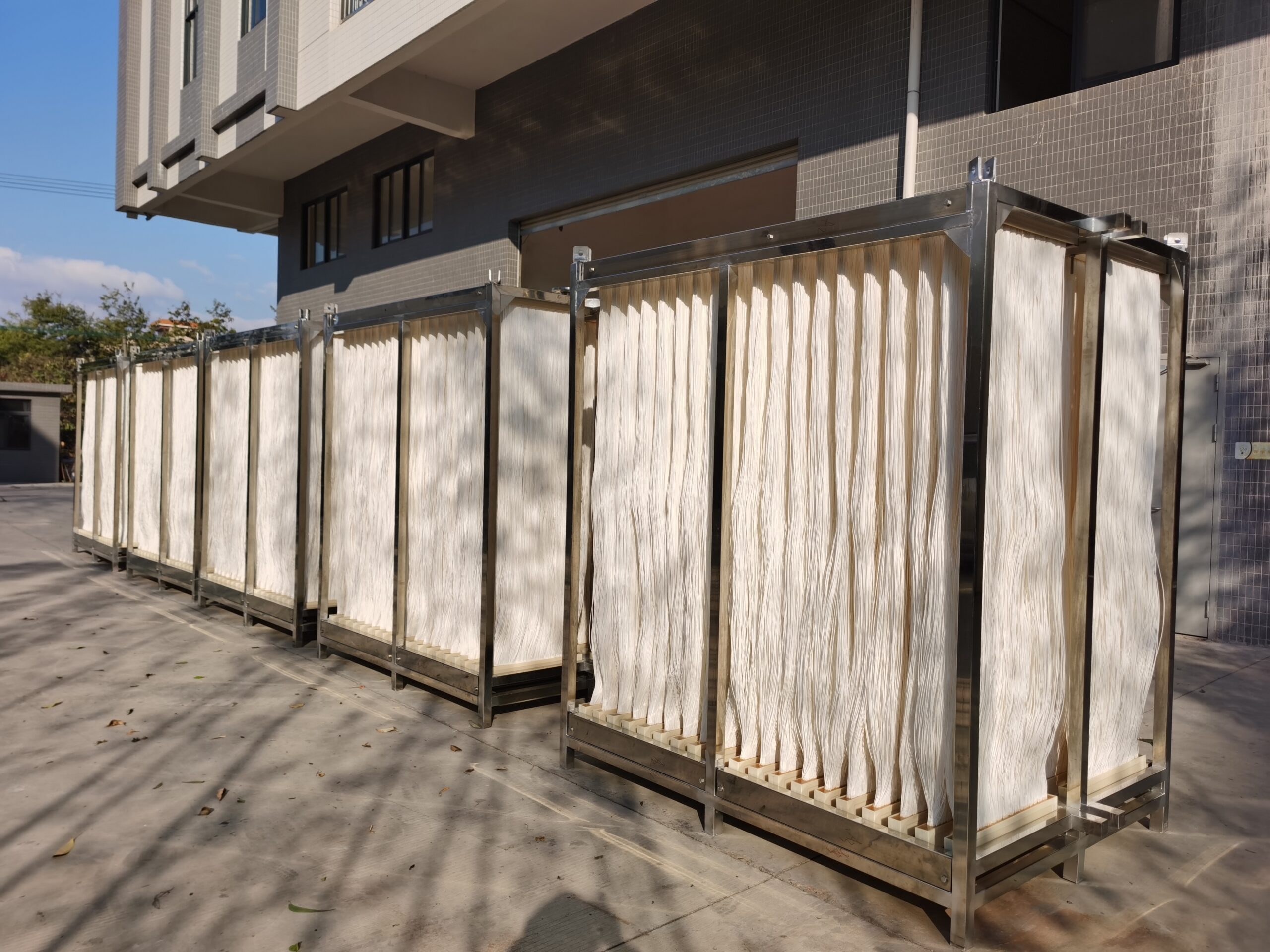
In one more instance, a textile production center in Bangladesh took on MBR technology to resolve its wastewater challenges. The system decreased chemical oxygen demand (COD) levels from 1,200 mg/L to much less than 100 mg/L, therefore meeting governing requirements and dramatically minimizing ecological effect.
The College of Cape Community's MBR installment has actually proven effective in dealing with greywater for non-potable reuse on university. This job not just preserves potable water yet also serves as an academic design for sustainable methods.
Furthermore, a seafood handling plant in Norway used MBR modern technology to treat effluents containing high levels of organic matter, attaining over 90% contaminant removal. These instance studies underscore MBR modern technology's convenience and its important duty in boosting water quality across diverse applications.
Future of Water Therapy Solutions
As worldwide water shortage and air pollution difficulties magnify, cutting-edge water treatment services are coming to be increasingly important to guarantee lasting accessibility to clean water. The future of water therapy exists in the integration of innovative modern technologies that enhance the effectiveness and performance of purification processes. Membrane bioreactors (MBRs) go to the leading edge of this evolution, combining biological treatment with membrane purification to generate high-quality effluent appropriate for various applications.
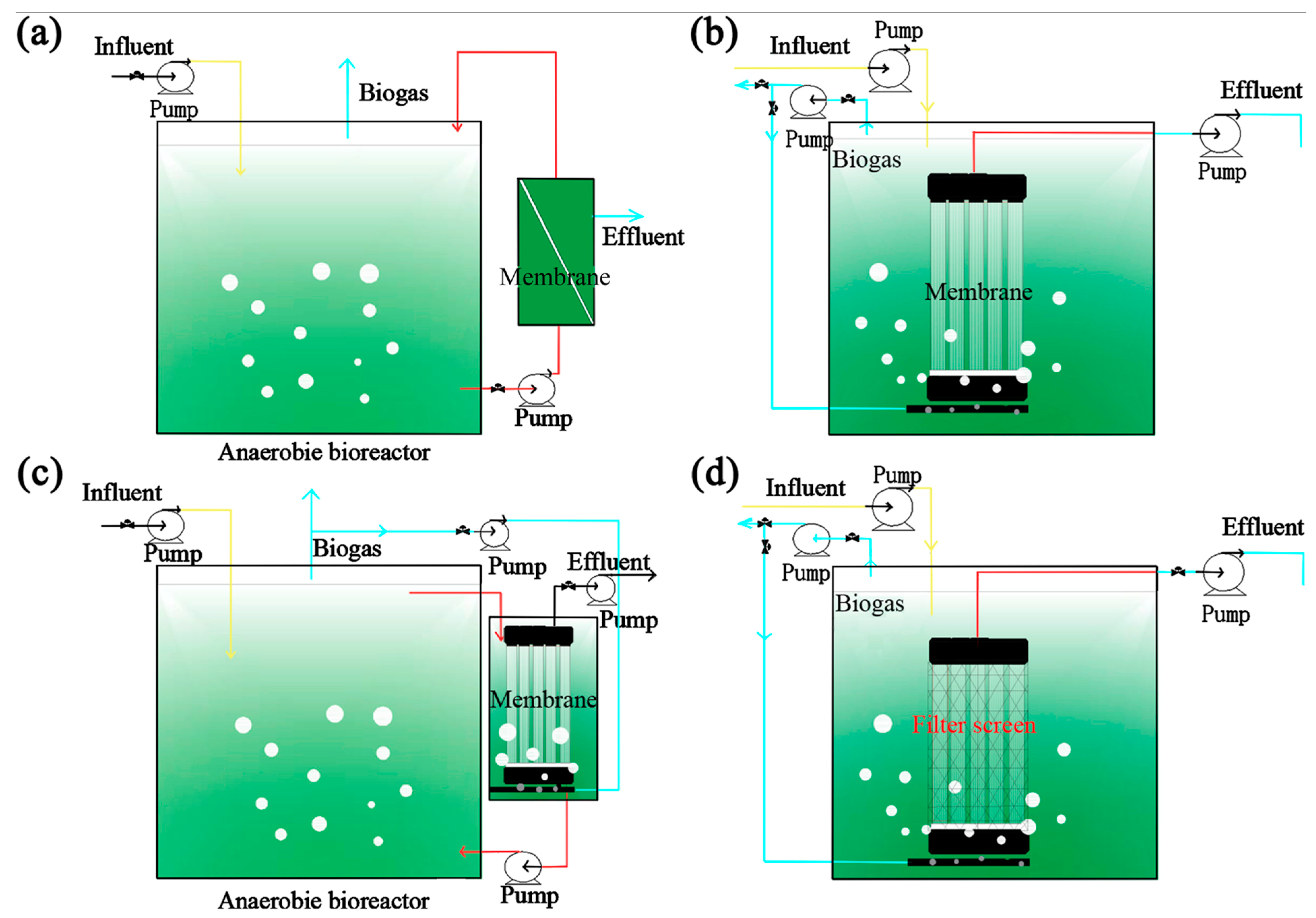
Arising fads such as source recuperation from wastewater, including nutrients and energy, will certainly better change treatment facilities right into eco-friendly centers. Developments in nanotechnology and membrane layer materials assure boosted performance and long Your Domain Name life of filtration systems.

Final Thought
To conclude, membrane layer bioreactors stand for a significant development in water purification technologies, efficiently combining organic therapy with advanced membrane layer filtration. The many advantages, consisting of enhanced effluent top quality and reduced spatial requirements, make MBRs particularly suitable for urban applications. Their role in safe and clean water reuse and lasting water monitoring highlights their significance in attending to worldwide water shortage obstacles. Proceeded research study and advancement will certainly additionally boost the efficacy and fostering of MBR innovation, making sure a durable future for water treatment solutions.
The appearance of membrane bioreactors (MBRs) stands for a considerable improvement in the field of water filtration, combining organic treatment processes with sophisticated membrane filtration innovations. As international water shortage escalates, the function of MBRs in assisting in drinkable water reuse and sustainable water management becomes progressively essential. They likewise allow the healing of water for reuse, therefore contributing to water sustainability efforts.As global water shortage and pollution difficulties heighten, innovative water therapy options are ending up being progressively vital to make certain lasting access to clean water. Their role in potable water reuse and lasting water management highlights their value in dealing with worldwide water shortage challenges.